

Is your hair feeling greasy just hours after washing? If you struggle with oily hair, you know how frustrating it can be to find the right shampoo that keeps your scalp fresh without drying it out.
You deserve a solution that controls oil, adds shine, and leaves your hair feeling clean all day long. You’ll discover the best shampoos designed specifically for oily hair, so you can say goodbye to unwanted grease and hello to confident, healthy-looking hair.
Keep reading to find the perfect match for your hair type and transform your daily routine.
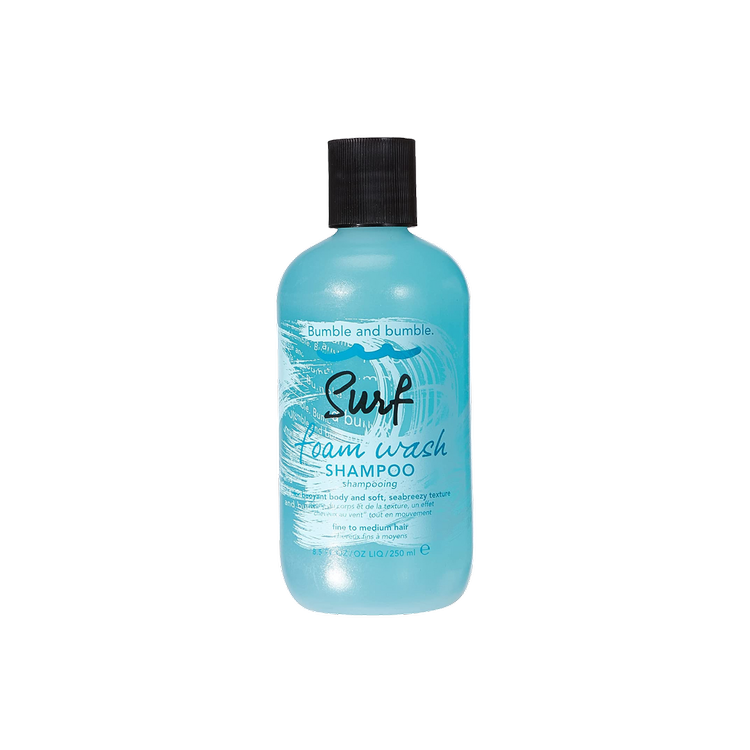
Credit: www.haiirology.com
Causes Of Oily Hair
Oily hair can feel heavy and look greasy soon after washing. Understanding why hair becomes oily helps manage it better. Several factors cause excess oil on the scalp and hair strands. These causes affect how much sebum your scalp produces and how it spreads.
Excess Sebum Production
The scalp has glands that make sebum, a natural oil. Sebum keeps hair soft and protects the skin. Sometimes, these glands produce too much oil. This extra oil makes hair look greasy and flat. Overwashing can also trigger more oil production. The scalp tries to replace lost oils quickly.
Hormonal Changes
Hormones influence oil production in the scalp. Teenagers often have oily hair due to puberty. Women may notice oily hair during periods or pregnancy. Hormonal imbalances increase sebum output. This change can last days or weeks.
Diet And Lifestyle Factors
Eating fatty or sugary foods affects oil levels. Poor diet can lead to more oily hair. Stress increases hormone levels, raising oil production. Lack of sleep and dehydration also play roles. Healthy habits help keep oil balanced.
Environmental Influences
Pollution and humidity affect scalp oiliness. Dirt and dust stick to oily hair easily. Humid weather makes the scalp sweat more. This sweat mixes with oil, causing greasiness. Protecting hair from harsh environments is important.
Key Ingredients To Look For
Choosing the right shampoo for oily hair means knowing which ingredients help control oil. The best shampoos have natural and effective components that clean well without drying your scalp. These ingredients balance oil production and keep hair fresh longer. Understanding these key ingredients helps you pick a shampoo that suits oily hair perfectly.
Salicylic Acid Benefits
Salicylic acid removes excess oil and dead skin from your scalp. It gently cleans pores and reduces build-up that causes greasiness. This ingredient helps prevent dandruff and keeps hair feeling light. Salicylic acid is great for oily hair because it controls oil without harsh effects.
Tea Tree Oil Effects
Tea tree oil fights bacteria and soothes the scalp. It reduces itchiness and inflammation that often come with oily hair. This natural oil refreshes the scalp and controls oil production. Tea tree oil also helps keep hair clean and healthy for longer.
Charcoal And Clay
Charcoal and clay absorb excess oil and impurities from the scalp. They act like a magnet, pulling out dirt and grease. These ingredients clean deeply and leave hair feeling fresh. Charcoal and clay are perfect for oily hair as they reduce shine and heaviness.
Avoiding Heavy Silicones
Heavy silicones can build up on oily hair and scalp. They trap oil and dirt, making hair look greasy faster. Avoid shampoos with thick silicones to prevent weighing hair down. Light, silicone-free formulas help keep oily hair clean and bouncy.
Top Shampoos For Oily Hair
Choosing the right shampoo for oily hair can make a big difference. The best shampoos help remove excess oil and keep hair fresh all day. Some shampoos work well without drying out the scalp. Others focus on natural ingredients or are gentle for sensitive skin.
Below are some top shampoo options. Each group suits different needs and budgets. Find one that matches your hair type and scalp condition.
Budget-friendly Options
Many affordable shampoos clean oily hair effectively. They remove grease without stripping moisture. These shampoos often contain ingredients like tea tree oil or charcoal. They help balance oil production and leave hair feeling light.
Salon-quality Picks
Salon shampoos use advanced formulas for oily hair. They offer deep cleansing and long-lasting freshness. Some include ingredients that control oil and add volume. These shampoos usually cost more but provide professional results.
Natural And Organic Choices
Natural shampoos avoid harsh chemicals and synthetic scents. They use plant extracts like aloe vera and green tea. These ingredients soothe the scalp and reduce oiliness. Organic shampoos suit those who prefer gentle, eco-friendly care.
Shampoos For Sensitive Scalps
Oily hair with a sensitive scalp needs special care. Shampoos in this category are free from sulfates and parabens. They cleanse without causing irritation or dryness. These gentle shampoos help calm itchy, oily scalps safely.

Credit: www.amazon.com
Tips To Maximize Shampoo Effectiveness
Maximizing shampoo effectiveness is key for oily hair care. Proper habits improve hair health and reduce oiliness. Small changes in washing methods can make a big difference. Follow these tips to get the best results from your shampoo.
Proper Washing Techniques
Start by rinsing your hair with warm water. Warm water helps open pores and remove dirt. Apply a small amount of shampoo to your scalp. Gently massage your scalp with fingertips. Avoid using nails to prevent irritation. Rinse thoroughly to remove all shampoo. Repeat only if necessary, as over-washing can dry hair.
How Often To Shampoo
Shampoo oily hair about every other day. Daily washing can strip natural oils, causing more oil production. On off days, rinse hair with water only. This helps keep hair clean without over-drying. Adjust frequency based on your hair’s oil level and lifestyle.
Using Conditioner Correctly
Apply conditioner only on hair ends, not scalp. Conditioner on the scalp can increase oiliness. Use a small amount and avoid heavy formulas. Rinse well to prevent residue buildup. A lightweight conditioner keeps hair smooth and balanced.
Additional Hair Care Tips
Use a wide-tooth comb to detangle wet hair. Avoid touching your hair often to reduce oil transfer. Change pillowcases regularly to keep hair fresh. Limit the use of hair styling products that add grease. Drink plenty of water for healthy hair from within.
Common Mistakes To Avoid
Managing oily hair can be tricky. Many people make mistakes that make oiliness worse. Knowing what to avoid helps keep hair fresh and clean. Here are common errors to watch out for.
Overwashing Hair
Washing hair too often strips natural oils. This causes your scalp to produce more oil. Washing every day can make oiliness worse. Try washing hair every other day instead. Use gentle shampoo to protect your scalp.
Using Wrong Hair Products
Heavy conditioners and styling products add weight to hair. They can block pores and increase oil. Look for shampoos made for oily hair. Avoid thick creams and oils that cause buildup.
Ignoring Scalp Health
A healthy scalp controls oil production better. Clean your scalp gently to remove dirt and sweat. Avoid scratching or harsh scrubs that irritate skin. A calm scalp means less oil and healthier hair.
When To See A Specialist
Knowing when to see a specialist for oily hair is important. Sometimes oily hair signals a deeper scalp problem. A specialist can help find the cause and suggest the right treatment. This saves time and prevents damage to your hair and scalp.
Signs Of Scalp Issues
Excess oil with itching or redness can mean scalp issues. Flaky skin or sores on the scalp also need attention. Hair falling out in patches or constant discomfort are warning signs. These symptoms show that normal shampoo may not help.
Professional Treatments
A specialist can offer treatments beyond regular shampoo. They may use medicated shampoos, scalp scrubs, or light therapy. These treatments reduce oil and soothe the scalp. They target the root cause, not just the surface. see here
Customized Hair Care Advice
A specialist gives advice based on your hair and scalp type. They recommend products that fit your condition perfectly. They also guide you on how often to wash and care for your hair. This personal care plan improves oily hair over time.
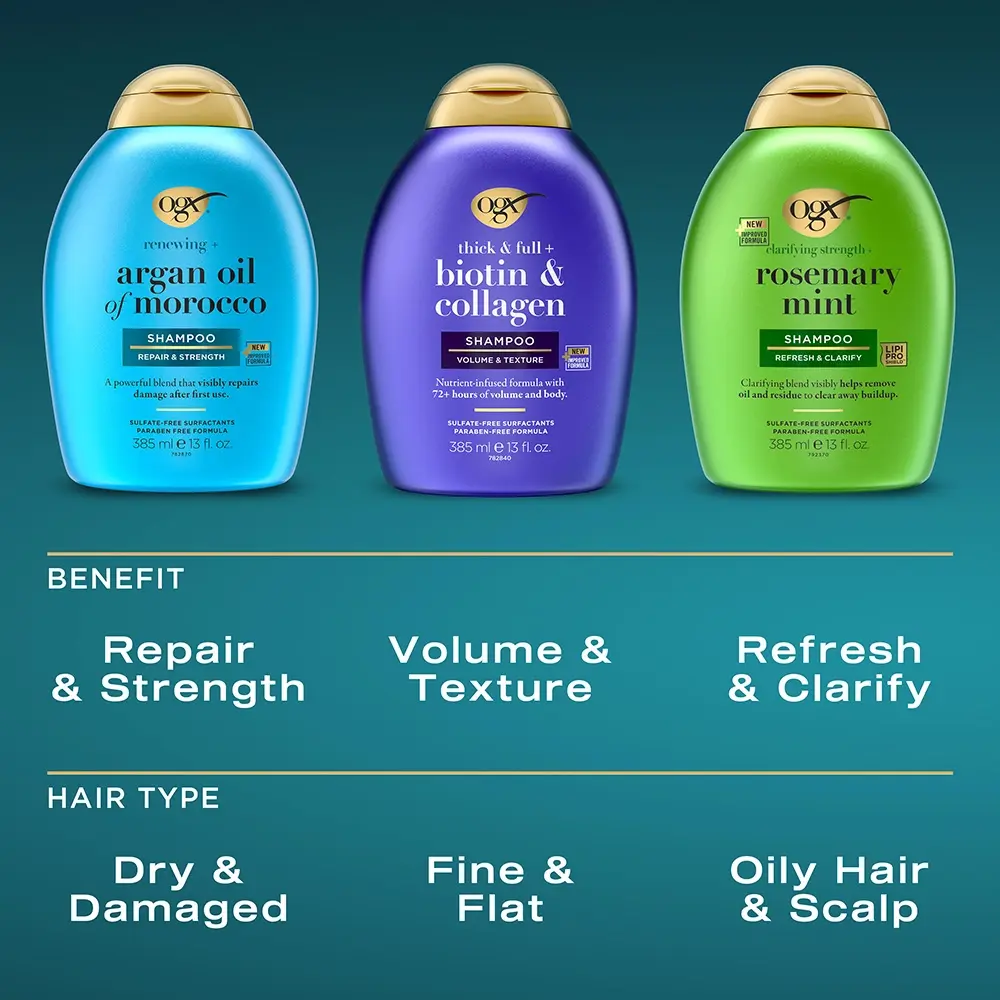
Credit: www.ogxbeauty.com
Frequently Asked Questions
What Ingredients Should I Look For In Oily Hair Shampoo?
Look for shampoos with tea tree oil, salicylic acid, or charcoal. These ingredients help control excess oil and cleanse the scalp deeply without drying it out.
How Often Should I Wash Oily Hair With Shampoo?
Washing oily hair every other day is ideal. Over-washing can strip natural oils, causing more oil production, while under-washing may leave hair greasy.
Can Natural Shampoos Effectively Manage Oily Hair?
Yes, natural shampoos with ingredients like aloe vera or witch hazel can balance oil levels. They are gentle and reduce scalp irritation.
Does Shampooing Oily Hair Daily Cause More Oiliness?
Daily shampooing can increase oil production by stripping the scalp’s natural oils. It’s better to shampoo every 1-2 days for balance.
Choosing the best shampoo for oily hair helps keep your scalp fresh and clean. Regular use controls oil and reduces shine. Pick a shampoo with gentle ingredients that suit your hair type. Avoid harsh chemicals that can irritate your scalp.
Remember, consistency matters for lasting results. Healthy hair starts with the right care. Try different shampoos until you find the perfect match. Your hair will feel lighter and look healthier. Simple steps can make a big difference. Keep your hair routine easy and effective.
