

Are you tired of those stubborn sunspots ruining your clear, glowing skin? Sunspots on your face can make you look older and less vibrant than you feel inside.
But here’s the good news: you don’t have to live with them. Discovering the best treatment for sunspots on your face can restore your natural beauty and boost your confidence. Keep reading to find out which effective options can help you achieve a smoother, brighter complexion—because you deserve skin that truly shines.

Credit: drsabrina.com
Causes Of Sunspots
Sunspots appear as dark patches on the skin, mainly on the face. They develop because of several causes. Understanding these causes helps in choosing the best treatment.
Sun Exposure And Uv Damage
Sunspots often form after long sun exposure. UV rays from the sun damage skin cells. This damage causes extra pigment to form. Over time, these dark spots appear on sun-exposed areas.
Using sunscreen can reduce this damage. Avoiding peak sun hours also helps protect the skin.
Aging And Skin Changes
As skin ages, it changes naturally. These changes include uneven pigment production. Older skin is more likely to develop sunspots. This happens because the skin cannot repair itself well.
Age spots often appear after 40 years old. They are a sign of skin aging combined with sun damage.
Genetic Factors
Some people inherit a higher chance of sunspots. Genes affect how skin reacts to sun exposure. Family history can influence skin pigment patterns.
Genetics may make some skin types more prone to dark spots. Knowing this helps in early prevention and care.
Topical Treatments
Topical treatments offer a direct way to reduce sunspots on the face. These treatments work by lightening dark spots and improving skin texture. Many options exist, from strong medical creams to gentle natural remedies. Each has its own benefits and suits different skin types.
Hydroquinone Creams
Hydroquinone creams are popular for fading sunspots. They stop melanin production, which causes dark spots. Usually, people see results in a few weeks. Use as directed to avoid skin irritation. These creams often come in 2% or 4% strengths. Consult a doctor before starting treatment.
Retinoids And Vitamin A
Retinoids are derived from vitamin A. They speed up skin cell turnover and fade spots. Regular use improves skin tone and smoothness. Retinoids also help prevent new sun damage. Start with low strength to reduce irritation. Over-the-counter retinol products are milder options.
Natural Remedies
Natural remedies offer gentle care for sunspots. Ingredients like aloe vera, lemon juice, and green tea have lightening effects. They soothe skin and reduce inflammation. Use consistently for several weeks for best results. Natural treatments suit sensitive skin well but work slower.
Professional Procedures
Professional procedures offer effective ways to treat sunspots on the face. These treatments target the skin deeply to reduce dark spots and improve skin tone. They are performed by trained specialists for safety and good results. Each method works in a unique way to make your skin clearer and brighter.
Chemical Peels
Chemical peels use special acids to remove the top skin layer. This process helps fade sunspots by shedding damaged cells. The skin underneath looks fresh and lighter after healing. Different types of peels exist, depending on your skin type and spot severity. The treatment is quick and may cause mild redness for a few days.
Laser Therapy
Laser therapy targets sunspots with focused light beams. The laser breaks down the pigment causing dark spots. It also encourages new skin growth for a smoother look. Sessions are usually fast and need little recovery time. Some people may feel mild discomfort during treatment. Multiple visits may be necessary for best effects.
Microdermabrasion
Microdermabrasion gently exfoliates the skin using tiny crystals. This removes dead cells and helps lighten sunspots gradually. The procedure is painless and suitable for sensitive skin. It also boosts collagen production for firmer skin. Regular sessions can improve skin texture and reduce spot visibility. Results appear after several treatments.
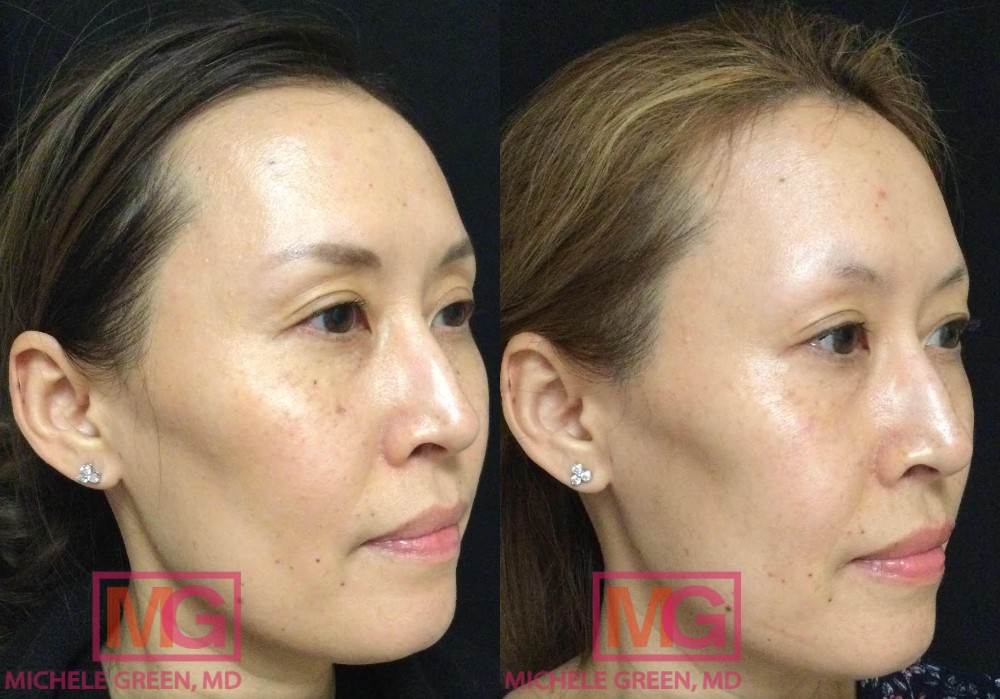
Credit: www.michelegreenmd.com
Prevention Tips
Preventing sunspots on your face is easier than treating them later. Taking simple steps daily can protect your skin. Consistent care helps maintain an even skin tone and reduces damage. Start with basic habits that block harmful sun rays.
Daily Sunscreen Use
Apply sunscreen every day, no matter the weather. Choose a broad-spectrum sunscreen with at least SPF 30. Reapply every two hours, especially if you are outside. Sunscreen blocks UV rays that cause sunspots and skin damage. Make it a part of your morning routine.
Protective Clothing
Wear hats with wide brims to shade your face. Use sunglasses to protect your eyes and skin around them. Lightweight, long-sleeved shirts can shield your arms and shoulders. Clothes made from tightly woven fabric offer better protection. Covering up reduces direct sun exposure and lowers sunspot risk.
Avoiding Peak Sun Hours
The sun is strongest between 10 a.m. and 4 p.m. Stay indoors or in shade during these hours. Plan outdoor activities for early morning or late afternoon. Less sun exposure means less chance of sunspots forming. This habit helps keep your skin clearer and healthier.
When To See A Dermatologist
Sunspots on the face often appear harmless. Many people treat them at home with creams or natural remedies. Yet, some sunspots need professional care. Knowing when to see a dermatologist protects your skin health. It helps catch serious issues early. This section guides you on signs to watch for. It also explains the value of a professional skin check.
Identifying Changes In Spots
Notice if a sunspot changes size, shape, or color. Sudden growth or uneven edges need attention. Watch for spots that bleed or itch often. Darker or mixed colors can signal a problem. New spots appearing after age 30 also require care. Track these changes carefully. Early detection improves treatment success.
Professional Skin Evaluation
A dermatologist uses special tools to examine your skin closely. They check spots that look unusual or different from others. This exam helps find skin cancer or other skin diseases early. The doctor may suggest tests or treatments based on findings. Regular visits give peace of mind and healthier skin. Trust experts to guide you on the best care steps.

Credit: www.dravaliani.com
Frequently Asked Questions
What Is The Most Effective Treatment For Sunspots On The Face?
Laser therapy and chemical peels work well to reduce sunspots effectively and safely.
Can Over-the-counter Creams Help Remove Sunspots On The Face?
Yes, creams with ingredients like hydroquinone or vitamin C can lighten sunspots over time.
How Long Does It Take To See Results From Sunspot Treatments?
Results usually appear within a few weeks to a few months, depending on the treatment type.
Are Natural Remedies Effective For Treating Sunspots On The Face?
Natural remedies may help slightly but are less effective than professional treatments or medicated creams. See here
Conclusion
Sunspots on the face can affect your confidence. Treating them early helps keep skin clear and healthy. Choose treatments that suit your skin type and budget. Consistent care and sun protection reduce sunspot chances. Remember, results take time, so stay patient.
Consult a dermatologist for the best advice. Healthy skin is possible with the right steps. Your face deserves gentle and effective care every day.
